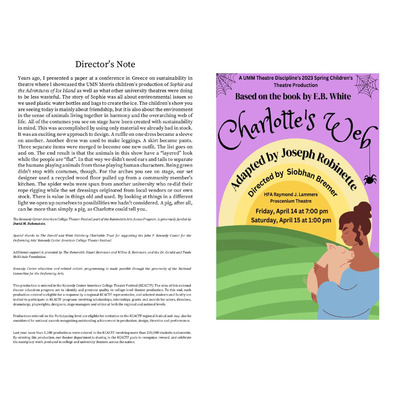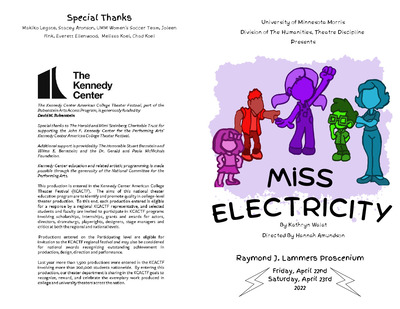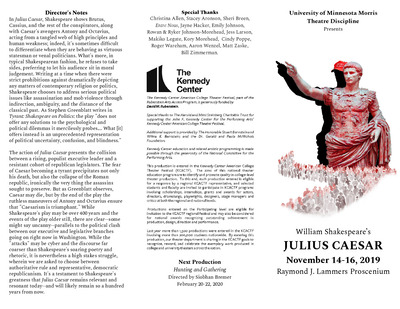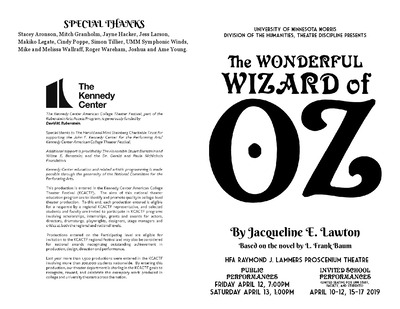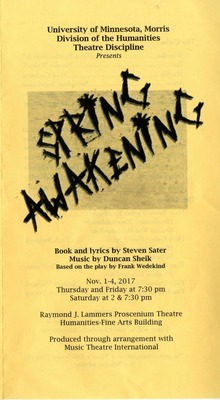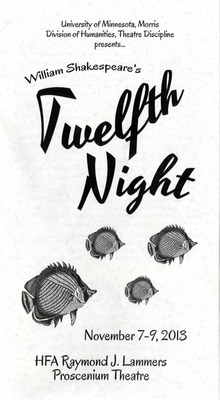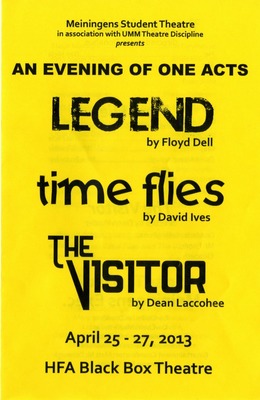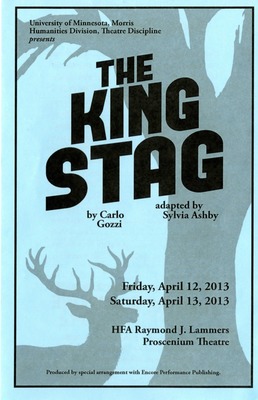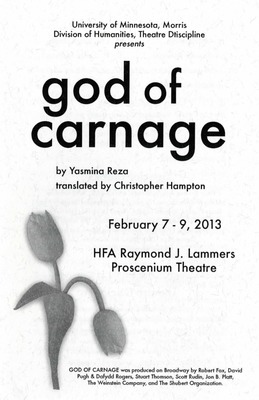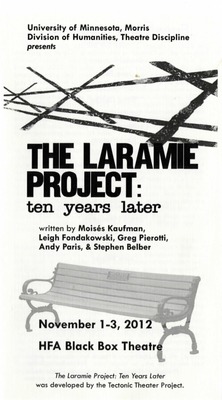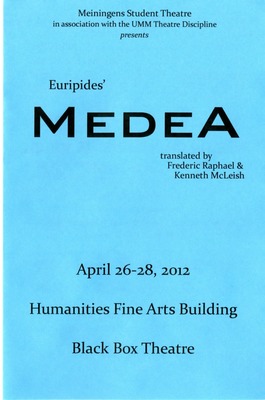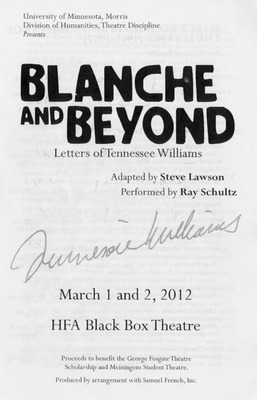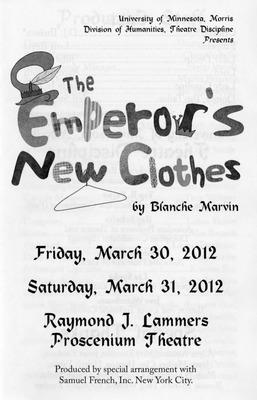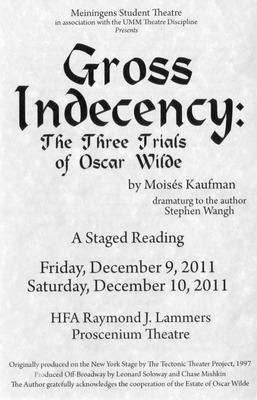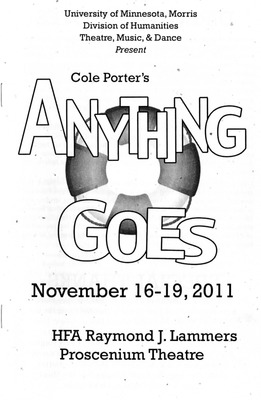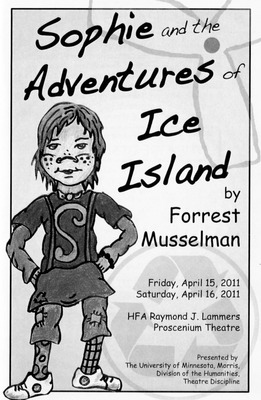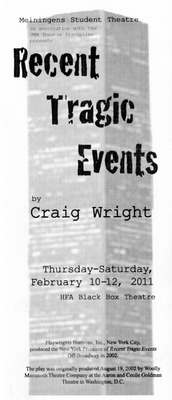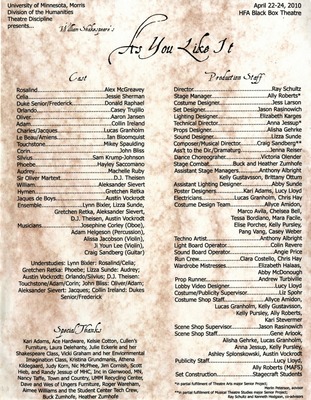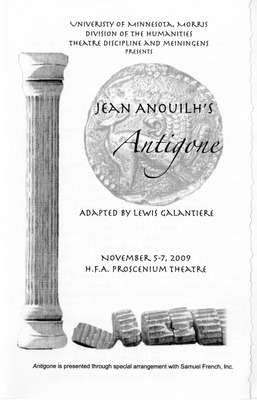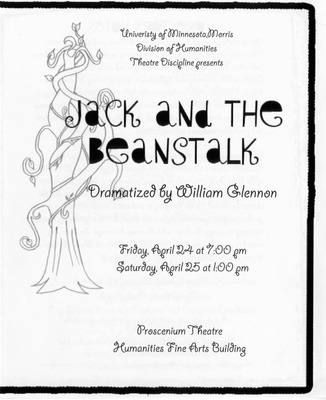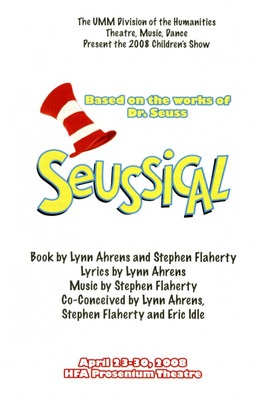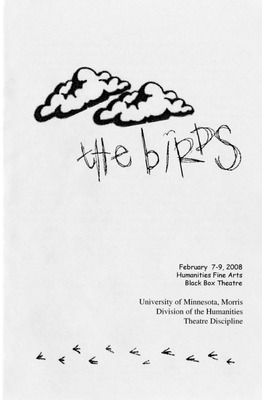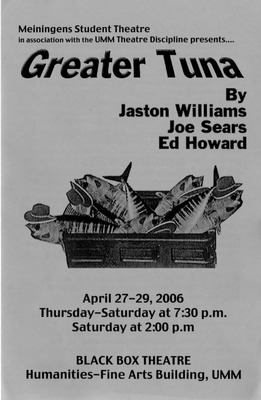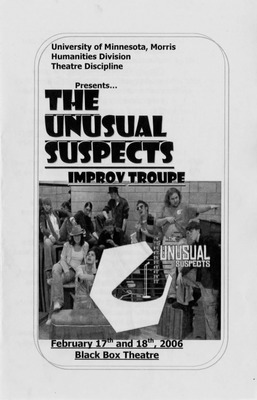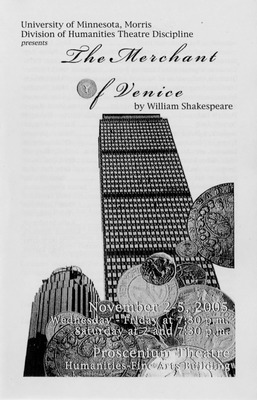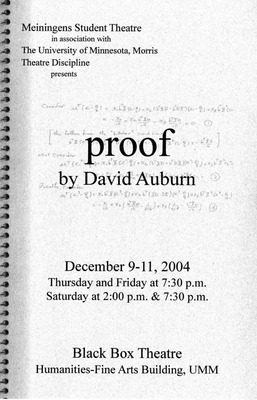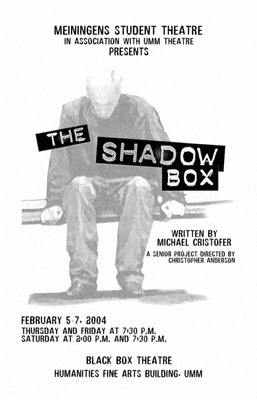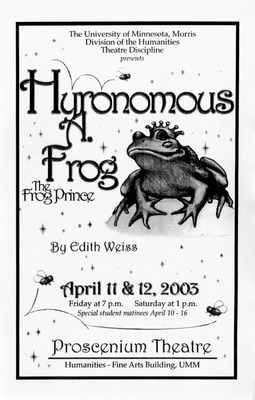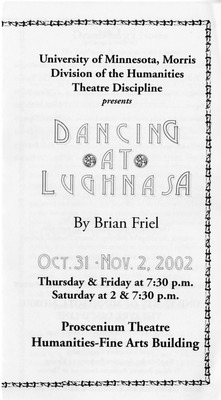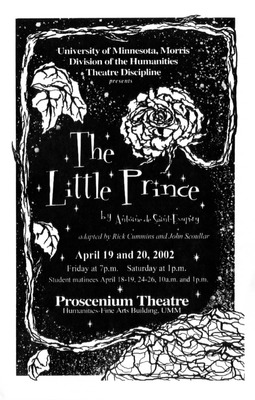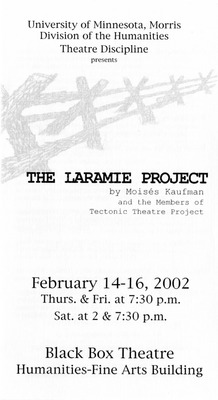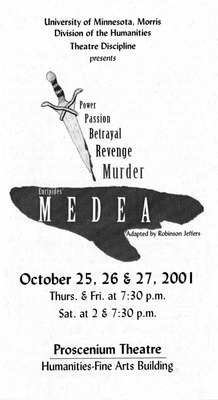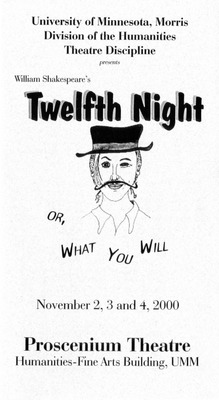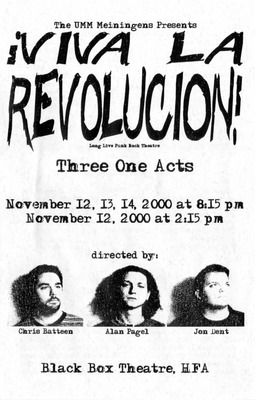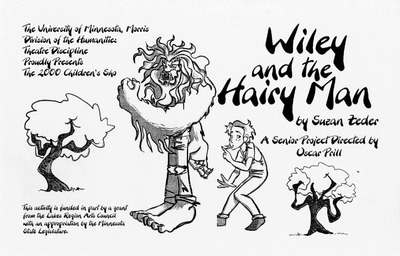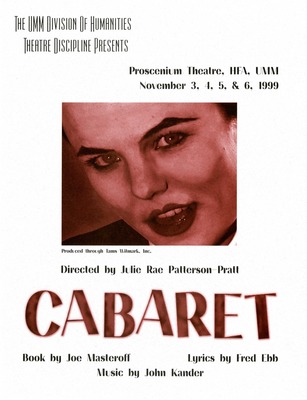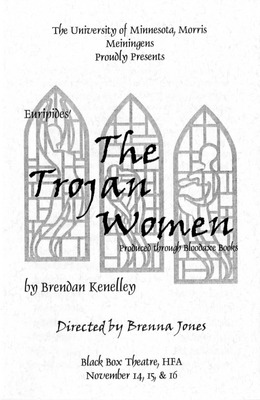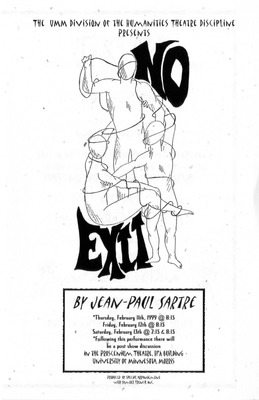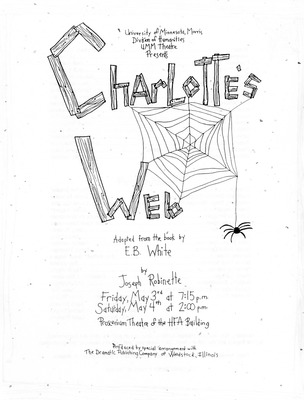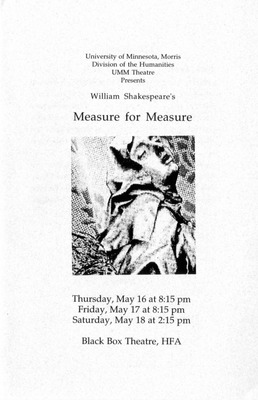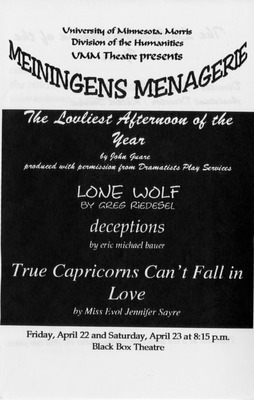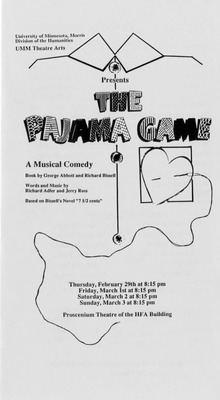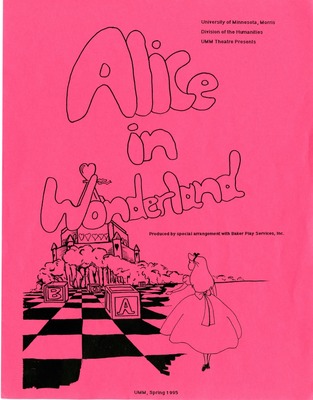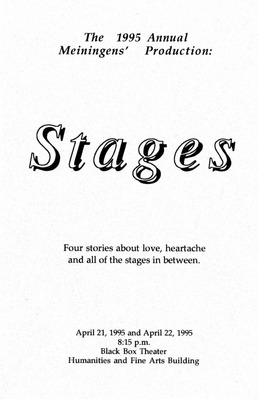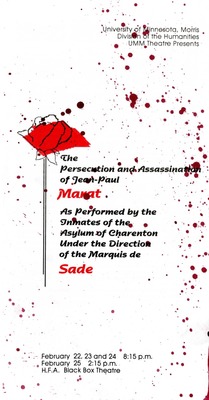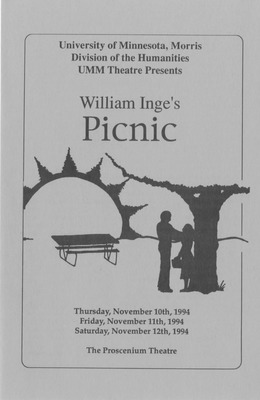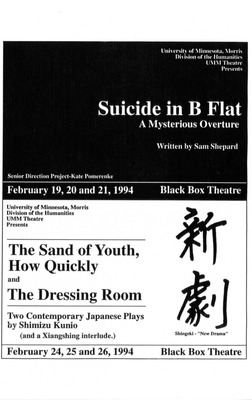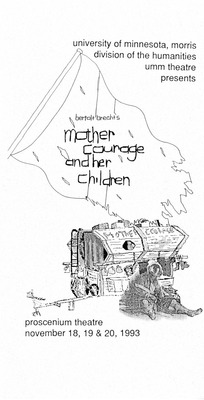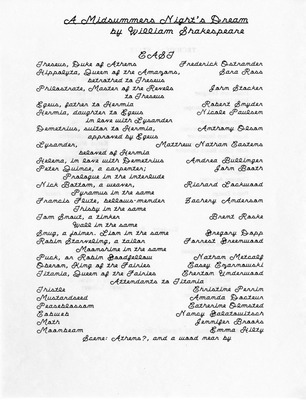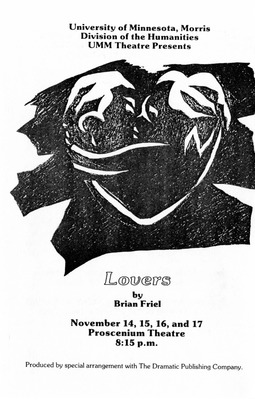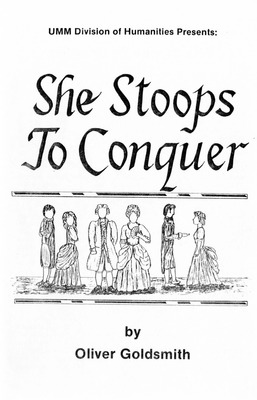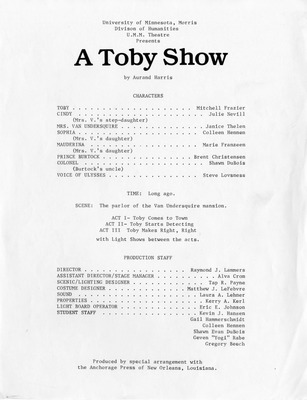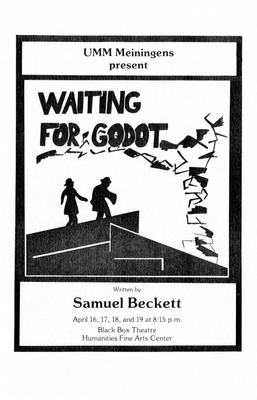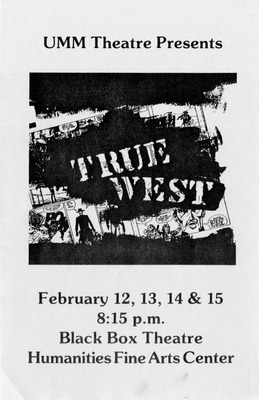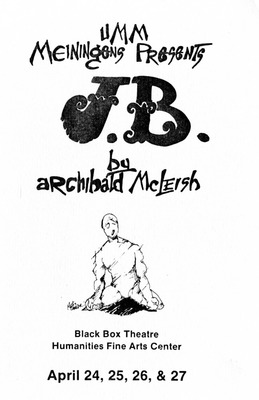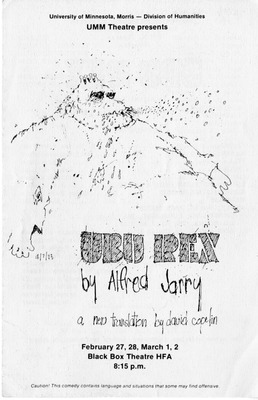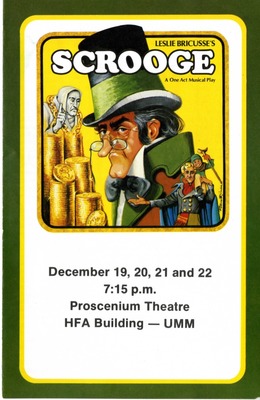
Programs from UMN Morris Theatre Discipline and Meiningens productions.
This webpage includes archived web content, which may not meet accessibility standards. To request content in an accessible format, contact the University of Minnesota Morris Archives at [email protected].
-
Hay Fever, Summer 1982
Theatre Arts Discipline
University of Minnesota, Morris production of Hay Fever by Noel Coward directed by Raymond Lammers.
Synopsis: Hay Fever is one of Noel Coward’s most durable comedies, continuing to delight audiences with its astute observations on family relationships and rivalries. The action takes place in the house of the Bliss family over the course of a weekend. Judith Bliss, a retired actress, her writer husband David, and their two grown-up children, Simon and Sorel, have all privately invited guests for the weekend, unbeknownst to anyone else. As the guests arrive, it becomes clear that it is not them who will be the problem, but the family themselves. Although Judith has supposedly retired from the stage, the nightmare weekend becomes her own private play, and her family become the supporting actors. Over the top and theatrical in their actions, the Bliss family delight in winding each other up and provoking a dramatic reaction from each other. As the weekend wears on, each guest pairs off with the wrong person with dramatic effects. Confused and angered by the strange behaviour of the their hosts, the guests all agree that they must leave straight away. Creeping out of the house, they are unnoticed by the Bliss family who are, once again, engaged in a daft, passionate argument about David’s book. Although it is not packed with as many witty one liners as many of Coward’s plays are, Hay Fever provides a shrewd, farcical look at a dysfunctional family oblivious to their ill-mannered behavior.
-
Medea, February 12-15, 1975
Theatre Arts Discipline
University of Minnesota, Morris production of Medea by Euripides, adapted by Rex Warner and directed by Raymond J. Lammers.
Synopsis: In a continuation of the stories of Jason and the Argonauts, foreign princess and sorceress Medea has murdered her own father to help Jason win the Golden Fleece and the kingdom of Thessaly. They have married and have two sons. Now in ancient Corinth, Medea is told that Jason will be marrying the Corinthian princess. The King of Corinth, anticipating her wrath, sends her into exile. She plans revenge against Jason and negotiates safe haven with the naïve King of Athens. Through her magic, she kills the Corinthian king and princess, Jason’s intended, and, in a final act of vengeance, kills her two sons by Jason. She escapes justice, taken to the sky on the back of a chariot, with the bodies of her children. One of ancient Greek drama’s most famous plays, The Medea resonates with audiences through emotionally charged characters placed in impossible circumstances, constrained by their social, political, gender, and familial roles.
-
A Thousand Clowns, February 26-28 and March 1, 1975
Theatre Arts Discipline
University of Minnesota, Morris production of A Thousand Clowns by Herb Gardner and directed by Alan L. Anderson.
Synopsis: The year is 1962 and bachelor uncle Murray Burns is endeavoring to rear his precocious nephew in N.Y.C. He has tired of writing cheap comedy for a children's television program and finds himself unemployed with some free time to saunter through New York and do everything he has always wanted to do: like standing on Park Avenue in the dawn's early light and hollering, "All right, all you rich people; everybody out in the street for volleyball." When Social Services arrive on the scene to insure that the nephew is receiving a proper upbringing, he finds himself solving their problems. Eventually, he must go back to work or lose his nephew, or he might marry the social worker. In any case, he remains one of the funniest non-conformists of the stage.
-
The House of Blue Leaves, November 20-23, 1974
Theatre Arts Discipline
University of Minnesota, Morris production of The House of Blue Leaves by John Guare and directed by Donald Webster.
Synopsis: rtie Shaugnessy is a songwriter with visions of glory. Toiling by day as a zookeeper, he suffers in seedy lounges by night, plying his wares at piano bars in Queens, New York, where he lives with his wife, Bananas, much to the chagrin of Artie’s downstairs mistress, Bunny Flingus, who’ll sleep with him anytime but refuses to cook until they are married. On the day the Pope is making his first visit to the city, Artie’s son Ronny goes AWOL from Fort Dix, stowing a homemade bomb intended to blow up the Pope in Yankee Stadium. Also arriving are Artie’s old school chum, now a successful Hollywood producer, Billy Einhorn, with starlet girlfriend in tow, who holds the key to Artie’s dreams of getting out of Queens and away from the life he so despises. But like many dreams, this promise of glory evaporates amid the chaos of ordinary lives.
-
The Star-Spangled Girl, November 6-9, 1974
Theatre Arts Discipline
University of Minnesota, Morris production of The Star-Spangled Girl by Neil Simon and directed by George Fosgate.
Synopsis Andy and Norman are two earnest young men using their apartment as a publishing office for a "protest" magazine in San Francisco. Sophie, an Olympic swimmer and all-American girl, moves into another apartment on the same floor. Sophie makes her first appearance paying a good-neighbor visit to the combination home and office of the two publishers. Her friendliness and charm leave Norman hopelessly smitten. Thereafter love, with him, is a determined madness, with the humor of it heightened by her frantic rejection of him. Meanwhile, his partner is fielding telephone calls from the irate printer who wants to collect the money due him, and distracting the landlady from thoughts of back rent with motorcycle rides and surfing expeditions. And while she is convinced that they are editing a dangerously subversive magazine, our heroine soon finds that her real source of annoyance is that the wrong man is pressing his attentions on her. Happily this situation is reversed in time, as love and politics blend delightfully in a bubbling series of funny happenings, set forth with the masterly skill and inventiveness that are the hallmarks of Neil Simon.
-

Electra, May 12-15, 1965
Theatre Arts Discipline
University of Minnesota, Morris production of Electra by Sophocles and directed by Raymond Lammers.
Synopsis Electra is a saga about murder and revenge. Agamemnon, the father of the house, was killed by his unfaithful wife, Clytaemnestra, with the help of her sinister lover, Aegisthus, as retribution for having sacrificed their daughter, Iphigenia, to the gods. Meanwhile, her son Orestes was spirited away by their faithful servant Tutor in order to safeguard him against a similar fate. Though Clytaemnestra's weak-willed daughter, Chrysothemis, has made peace with the situation, her defiant sister, Electra, still bemoans her father's fate. Electra awaits the return of the grown Orestes in the hopes that he might to avenge their father's death. The action of Sophocles' play focuses on the inner turmoil and laments of Electra, who feels incapable of acting alone.
-
Morris Meiningens short plays, February 12-13, 1963
Theatre Arts Discipline
University of Minnesota, Morris production of short plays Three for Fun, Take back your Mink from Guys and Dolls, You Can’t Get a Man with a Gun and There’s No Business Like Show Business from Annie Get Your Gun directed by Raymond Lammers.